
Eight Tensions® Certified Coaches
Find a certified
eight Tensions®
COACH
My primary goal is to connect you with certified, accredited, trusted Eight Tensions® coaches. Here are a growing list of certified and verified coaches who cover a range of coaching areas.
Certified Eight Tensions® coaches
Advanced Practitioners

Lynsey Allison
Executive Coach, Leadership Development Facilitator and certified Eight Tensions® Coach

Kim Carr
Positive Psychology Coach and Supervisor with a Master’s degree in Positive Psychology and Coaching Psychology


Dr Megumi Fieldsend
PhD, Chartered Psychologist, Phenomenological-Existential Coach and Qualitative Researcher

Alexandra J.S. Fouracres
Chartered Coaching Psychologist, Academic, Consultant and Supervisor

Susan Fullerton
Freelance Consultant I Leadership Coach I ADHD Specialist Coach I Trainer

Laura Garwood
Coaching Psychologist, MSc Coaching Psychology, PGDip Coaching Psychology, Psychology Conversion, GMBPsS and CertBP

Carolyn Green
Coaching Psychologist, Cognitive Behavioural Psychotherapist, Neurodiversity Specialist
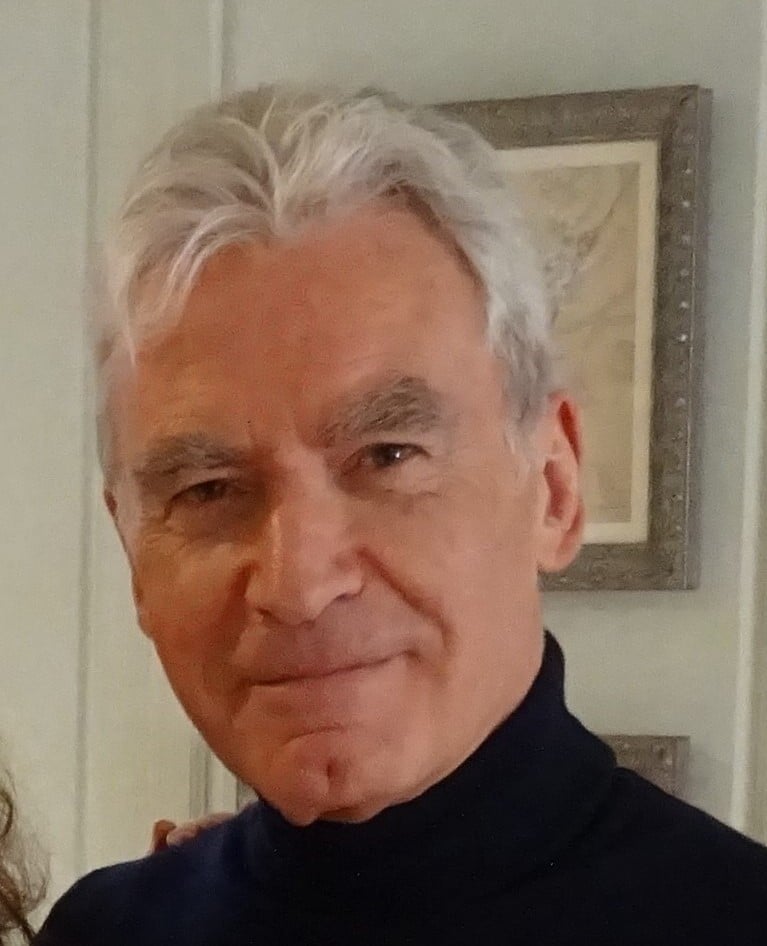
Peter Johnson
An award-winning specialist who helps clients make positive lasting change through his coaching and consulting.

Dr Meltem Ilkan
Co-Founder and Managing Director of Together Wise. Eight Tensions® Certified Coach and Mental Health First Aider.

Stella Kopakaki
Certified Life & Mindset Coach, multi-awarded Language Educator for Excellence, Innovation, Creativity

Arlene Kyle
Coaching Psychologist, MSc Forensic Psychology, BSc Honours Psychology Diploma in Cross Professional Supervision, Certified Coach

Dr Natalie Lancer
Chartered Coaching Psychologist & Eight Tensions® Founder




Tara Taheri
Oral health educator and dental care professional DIP RDH, BA Child psychology, MSc Health psychology, GMBPsS, Certified Coach

Jane Viljoen
Chartered Coaching Psychologist | Executive Coach | Speaker | HCPC Registered Occupational Psychologist


Jacqueline Weeks
Coaching Psychologist
associates

Hazel Anderson-Turner
Business & Coaching Psychologist. ICF Professional Accredited Coach

Charlotte Brown
Chartered Coaching Psychologist - Leadership

Rosie Derbyshire
Chartered coaching psychologist.

Jessica Fornear
Certified Strengths Coach, Values Coach & Eight Tensions Coach®

Helen Roper
Positive Psychology MSc graduate, Coaching Psychology practitioner, EMCC-accredited Senior Practitioner Coach and Chartered HR professional

Pippa Simou
Chartered coaching psychologist, academic, consultant and supervisor.

Natasha Thompson
Eight Tensions ® Coach, ICF and EMCC Accredited Coach, Neuromindfulness ® Practitioner

Dr Kathryn Waddington
Chartered Coaching Psychologist, Applied Psychology Practice Supervisor, EMCC Senior Practitioner and Thinking Environment™ Practitioner.
“Everything is now in question and how you interpret your life is your choice” Dr Natalie Lancer
If you are interested in training to become an official Eight Tensions ® Coach, please click here to learn more about training details and upcoming dates.
Eight Tensions®
RESEARCH
Dr Megumi Fieldsend’s dissertation for her Master’s in Existential Coaching at the New School of Psychotherapy and Counselling explored using the Eight Tensions® in supervision for Coaches and Coaching Psychologists. She was awarded a Distinction for her dissertation and overall degree. Here, Megumi explains how the Eight Tensions® features in her coaching practice and her research.
I’m Megumi Fieldsend, a coaching psychologist and a qualitative researcher, specialising in Interpretative Phenomenological Analysis (IPA). For my private coaching practice, I use the Eight Tensions® Framework according to my clients’ needs, and by incorporating it into my meaning-centred holistic approach, I can help my clients find their own inner strength and directional clarities necessary to navigate life.
Research Summary
I recently completed an IPA study, titled “Interpretative Phenomenological Analysis of Using Existential Tensions as a Supervision Heuristic for Coaches and Coaching Psychologists in Supervision”, for my MA in Existential Coaching at the New School of Psychotherapy and Counselling/Middlesex University.
This is the first study to look at the experience of professional coaches and coaching psychologists in supervision where existential tensions have been operationalised as the Eight Tensions® Framework. I used IPA to elucidate personal accounts of five participants and explored their experiences in this context. Through detailed and in-depth idiographic approach of Interpretative Phenomenological Analysis, three themes were identified:
-
-
The Eight Tensions® Framework Supervision: Usefulness and Difficulties
This theme reveals the value of the Eight Tensions® Framework supervision as a dynamic yet safe interaction with other coaches in a group, referring to the practical importance of gaining wider perspectives from other supervisees who have different philosophical backgrounds, approaches and working contexts. While all acknowledge the importance of gaining better existential understanding, the applicability of the framework to each person’s own practice is uniquely conceptualised.
-
-
-
Developing Into a Reflexive Coaching Practitioner
This focuses on the participants’ professional contexts and points to how existential learning helps shape their own professional identity. Gaining existential knowledge that has particular resonance to a coach’s personal values and meanings is importantly associated with each individual’s approach, and reflects on their practical advancement.
-
-
-
Living With a New Existential Outlook
The third theme shows how the participants interpret existential knowledge in their lives beyond practical and professional development. All the participants have cultivated awareness of human complexities, at the same time, they live their life more fully since they are now aware of the existential givens (such as finitude of time, living with others in the world): they are now living existentially.
-
The findings highlight how existential knowledge gained through the supervision, and working with existential tensions, help participants to enhance not only ways of developing the self and practice, but also understanding life.
This study evidenced the value of existential tensions in supervision as a heuristic, and further points to the diverse ways of using existential tensions in coaching practices as a way of helping clients to find their own meaning in everyday living.
SUBSCRIBE
SIGN UP HERE FOR THE LATEST UPDATES FROM DR NATALIE LANCER
free resource

- How does engaging in CPD and supervision give you an advantage as a coach?
- Is there a way to find and strengthen our unique voice as a practitioner?
- Can CPD and supervision support your business development and coaching practice?